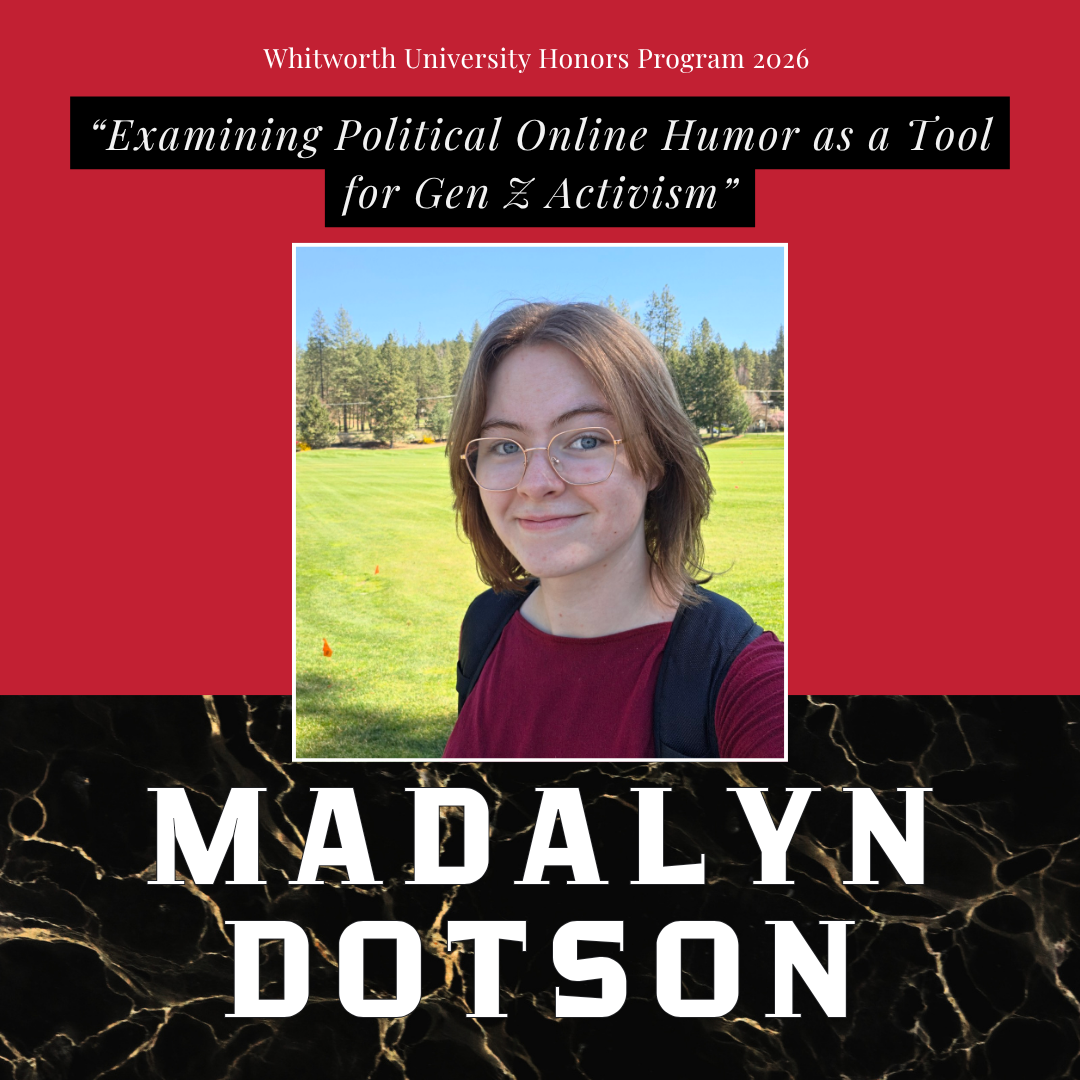
Madalyn Dotson

In September of 2025, youth and Gen-Z individuals in Nepal overthrew their corrupt government through a series of protests and riots. They voted for their interim prime minister through Discord, and throughout the protests, the world saw Gen-Z laughing and joking their way through a major historical event. Gen-Z has been nicknamed the “unserious generation”, but in Nepal they also led the movement that led to a significant change in government. This begs the question of how this will inspire other Gen-Z protestors and activists across the world. How does Gen-Z view violence as an actor for change? Do they use humor as a tool, strategy, or a way to cope? How necessary is humor for Gen-Z’s activism? In my academic project, I explored these questions by looking at a variety of examples all over the world, with a focus on Nepal. As someone who is Gen Z, loves memes and humor, and is interested in political activism, I think that this project is important to see how young people are actively changing the world around them.


Chloe Stelly

Since going through the Education Department here at Whitworth, I have become increasingly interested in the academic achievement of our students here in Washinton. Education has changed so drastically over the years, and the hope is that we are still meeting the needs of our students in an ever-shifting society. Since Covid, state testing has dropped and has continued to do so which raises concern; how can our children get the best education when standards are so demanding? Is the education we are providing right now the education our students need? I wanted to study the effects that state standards have on primary children and whether or not an increase in academic performance is happening in our schools. The reason for this project is to study the impact of our state standards on the growth and development of our students.

Jaylee Graham

Gen Z is arguably the most politically outspoken generation in history. From social media activism to grassroots organizing, we aren’t afraid to use our voices to demand change. Yet, there’s a frustrating paradox at the heart of our democracy: despite being the most vocal, 18–24-year-olds consistently remain in the demographic with the lowest voter turnout. This project is driven by one central question: What do we actually need to do to increase young voter turnout?
I believe that education is at the root of many of the systemic problems we see in the world today. If we want to change the trajectory of our society, we have to look at where our civic identity is formed. For the vast majority of Americans, high school is the last time they will be part of a formal, universal educational environment. This makes the high school classroom our final and most critical opportunity to reach every future citizen. If we aren’t using that time to effectively teach the voting process and the importance of civic agency, we are leaving the health of our democracy to chance.

Evan Galle

Many college students arrive on campus without a clear picture of their semester-to-semester education actually costs or how to manage it. Watching Whitworth University peers navigate financial stress often without adequate tools or guidance, inspired me to complete this project. A personalized budgeting spreadsheet built exclusively for Whitworth students

The central question driving this project was: how can a practical, student-financial tool be designed to make budgeting accessible, accurate, and actionable for Whitworth students specifically? I found that generic budgeting advice and one-size-fits-all templates fail to account for the unique situations Whitworth students face. Students are having to juggle the various fees associated with attending, the different room and board types, and the realities of student jobs that help the budget, this project addresses the gap directly.

Mariia Yazepova

AI is changing more quickly than ethical norms can keep up, especially in the profession of journalism (Simon, 2024). Although AI tools increase productivity, professional journalism’s survival and credibility are at risk due to their unchecked use. The human-centered principles that support press integrity are being undermined by automated news writing, copyright violations, and algorithmic disinformation (Simon, 2024). This project will compare human-reported stories to AI-generated failures, look at the ethical consequences of generative AI in journalism, and offer solutions for responsible innovation. Raising awareness of these dangers and promoting AI integration that complements human journalists rather than replaces them are the main goals. I decided to focus on this topic because I want to work in journalism, where these developments will have a direct impact on my future writing. As someone just starting out in the industry, I’m worried about how a reliance on AI might change my field of communications, possibly decreasing chances for original writing and eroding accountability standards. However, I am aware of the advantages these tools provide when used appropriately. In order to make sure that future industry professionals like myself can have credibility and ethical storytelling in an increasingly automated media landscape, this project reflects my interest in helping find a balance where innovation supports integrity.

Ahmed Amir

Small businesses operate under constant time pressure, often leading to missed calls. Data shows that 62% of calls to small businesses go unanswered, and 85% of those callers will not try to contact the business again. This translates to an average loss of over $126,000 in annual revenue per business. While large corporations have the budget for advanced AI communication tools, small business owners are often left behind due to high costs and technical complexity. My project aims to bridge this “tech gap” by creating a functional prototype of an AI onboarding process and dashboard tailored specifically for small business needs. My research focused on how to make sophisticated technology user-friendly; I developed an onboarding system that allows a business owner to set up a custom AI agent through simple, non-technical steps. Additionally, I built a dashboard that visualizes critical metrics such as response times, booking rates, and engagement patterns in a clear, accessible format. By simplifying the configuration and monitoring of AI, this project demonstrates how automation can reduce friction, save time, and help small businesses capture opportunities that would otherwise be lost. My goal is to prove that with the right design, cutting-edge AI can be a tool for every entrepreneur, not just those with enterprise-level budgets.

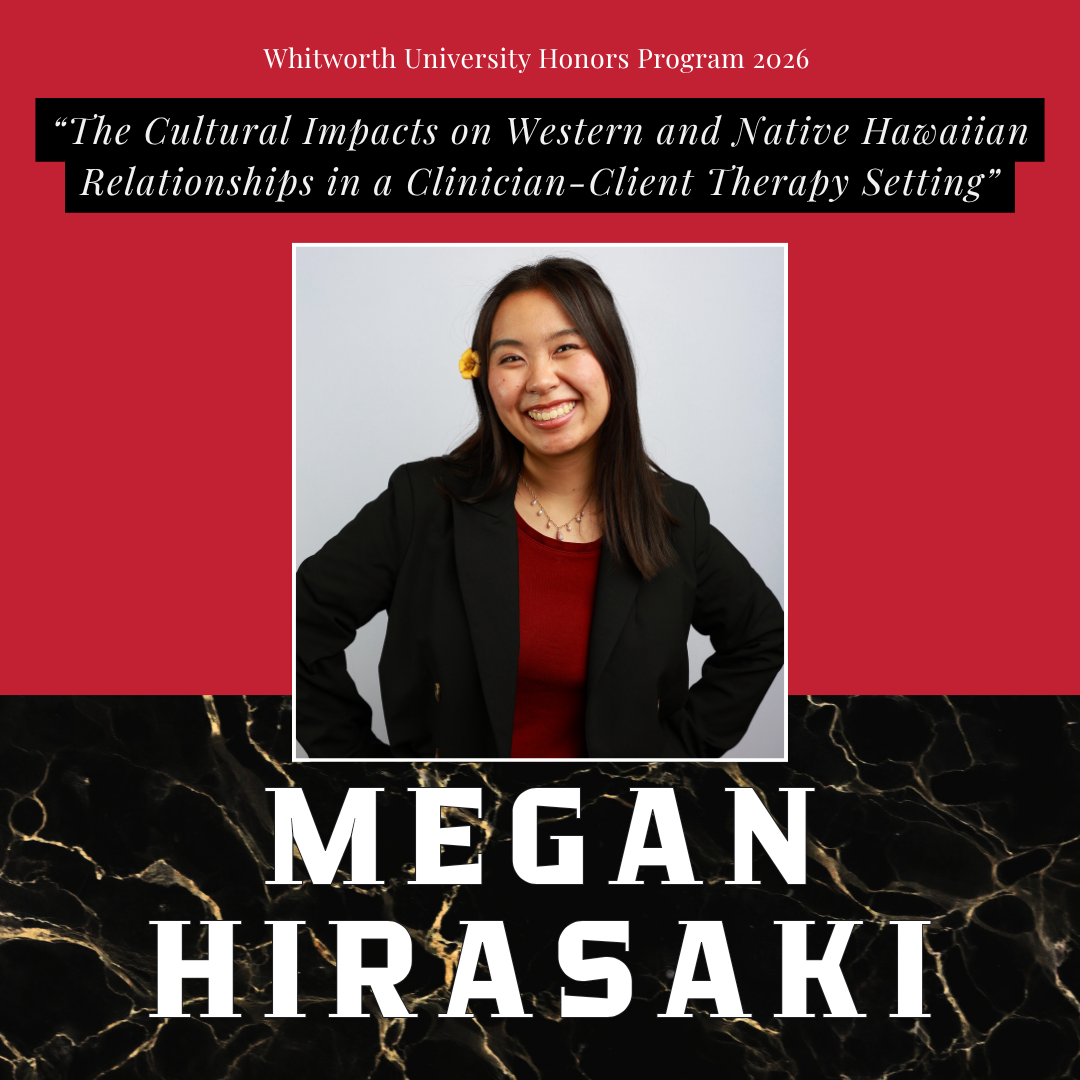
Megan Hirasaki

When I learned about bicultural perspectives in psychology at Massey University, I was asked to write a critical reflection about connecting the Māori concepts in psychology to my future career. As I researched previous studies and articles about Native Hawaiians for my critical reflection, I noticed that Native Hawaiian mental health research is limited, and some topics of current research include depression, health disparities, COVID, and the impacts cost of living; consequently, Native Hawaiians are often the most misrepresented in healthcare. According to McCubbin and Marsella (2009), Native Hawaiians have not only been excluded from health research but also have not been adequately supported financially when projects emphasize Native Hawaiians. Because of these systemic barriers behind research, Native Hawaiians deserve more attention in psychological research and need specific strategies on how to include their worldviews into the therapy room.

Jacob Soo

One of the main reasons that kids quit sports is because of poor coaching. When coaches are hired, they are often not properly trained. This project aims to fill a gap in the research when it comes to youth sports coaching and training and can be a valuable piece for coaching journals and local athletic associations. This project also sheds light on how youth sports coaches could be more comprehensively trained and can be valuable to any parent seeking a better athletic experience for their child. This project does not only focus on the basic skills needed for youth sports coaches, like CPR and first aid, but also on more complex skills like emotional control and creating an inclusive space for young athletes.

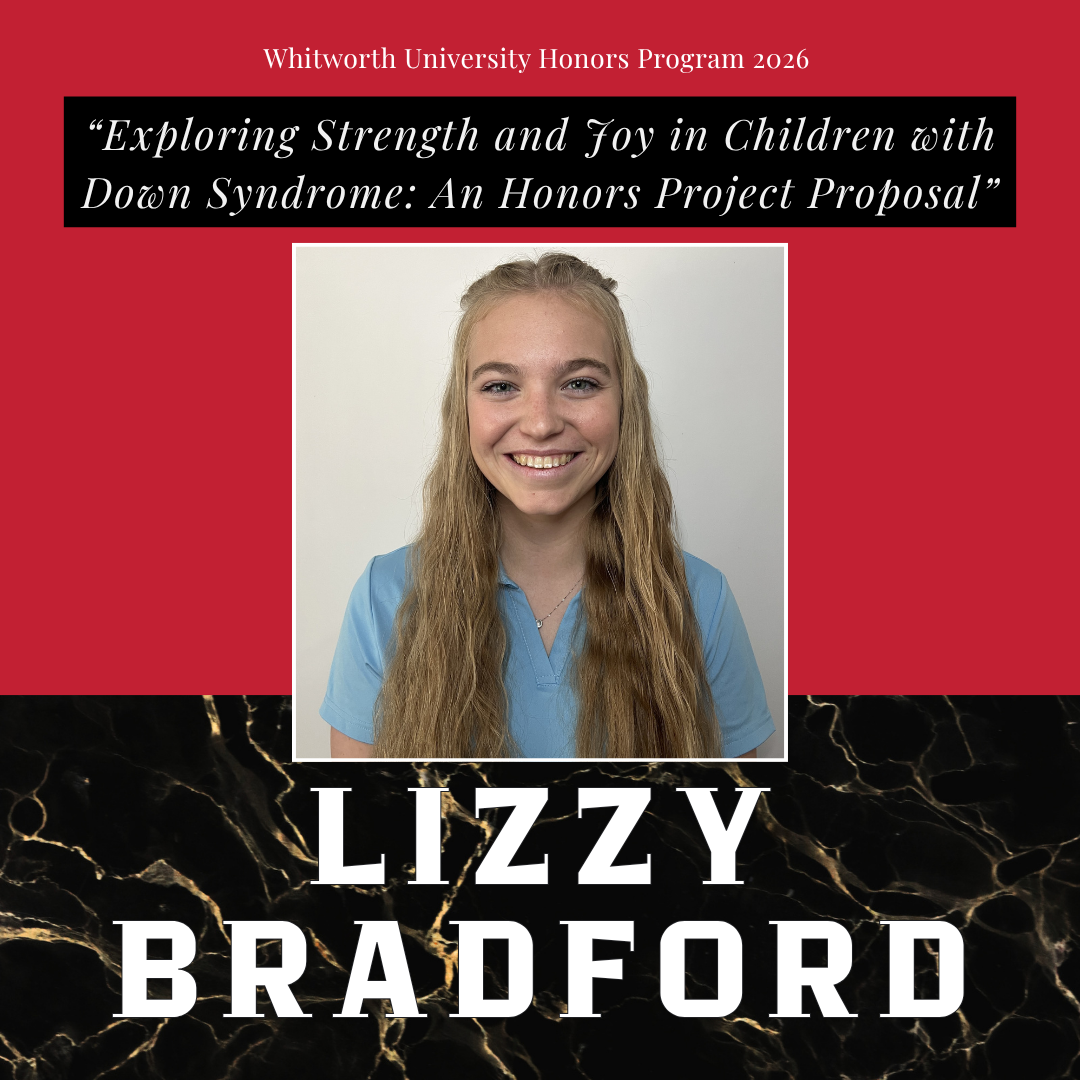
Lizzy Bradford

Families that have children who experience Down Syndrome are confronted with many demanding needs in order to help their child thrive in today’s society. Unfortunately, several limitations can interfere with getting help for these families who are in need of additional services including therapy for their children. This proposed project aims to decrease the disadvantages and clarify the resources and research available to them. It hopes to combat the limited access to physical therapy, by producing a social media page with extensive resources, up-to-date research, and exercise videos related to improving quality of life and development for children with Down Syndrome along with their families. What inspired my project was my interest in pediatric physical therapy as well as my close relationships with people who have Down Syndrome. I have had wonderful opportunities to volunteer at Down Syndrome Success Organizations and have learned about techniques that help further the development of children with Down Syndrome. I have seen firsthand how much joy they bring to the lives around them and how many stressors they (and their families) can encounter in everyday life. Even though I am not a licensed Physical Therapist yet, and thus can’t provide any actual therapy, I hope that my social media page will help clarify the research and resources available for families who need it.

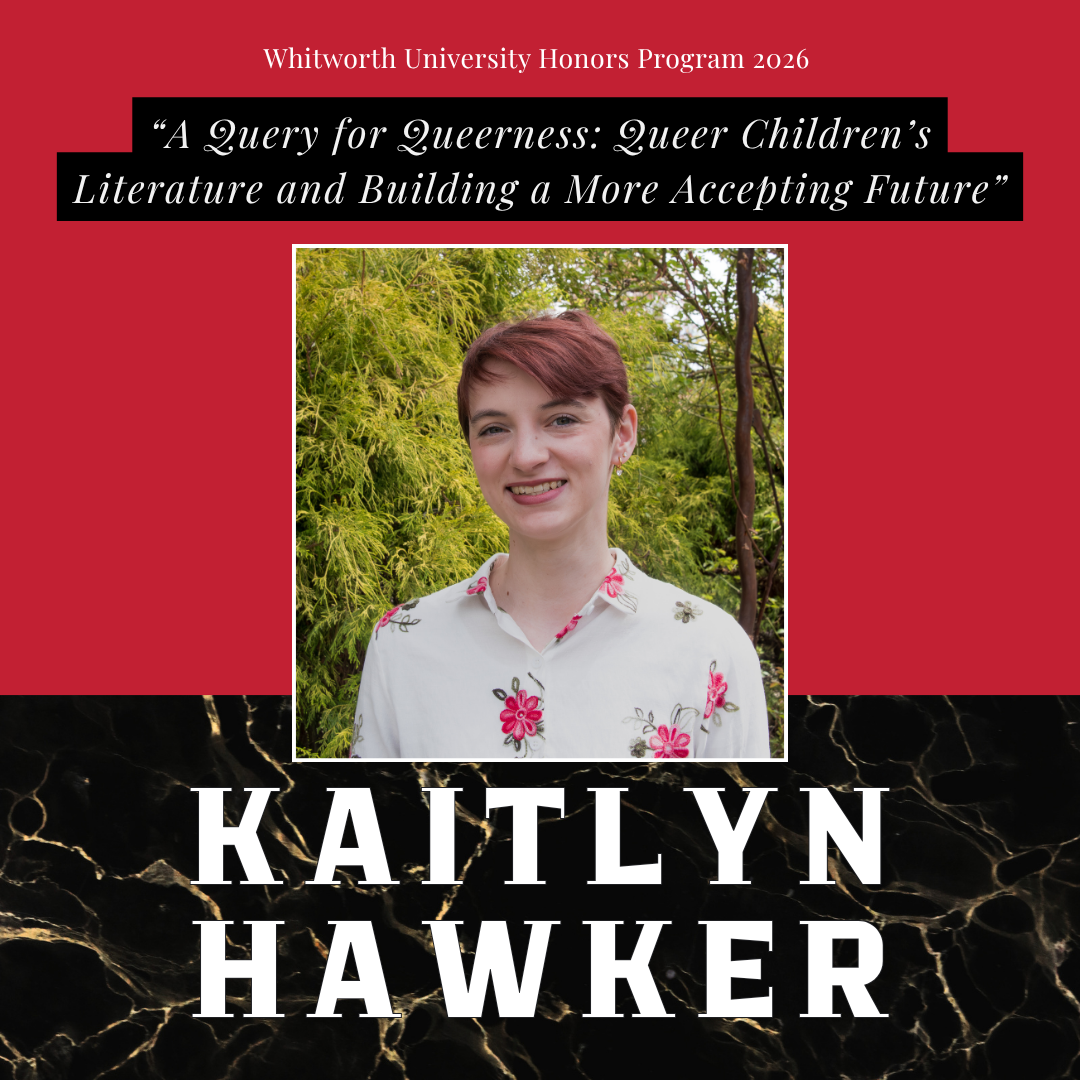
Kaitlyn Hawker

With the legalization of gay marriage in 2015, legal queer families entered the societal view. However, normalization cannot happen without positive visibility, which usually comes in the form of representation in the media society consumes. Queer characters in movies, tv shows, and adult books have appeared for decades, sometimes even centuries, but limiting queer representation to adult-only content does more harm than good. It teaches children and the culture at large that queer stories are explicit, shameful, and not appropriate.