
The Missing Youth Vote: How State Standards Shape the Next Generation of Voters

Jaylee Graham
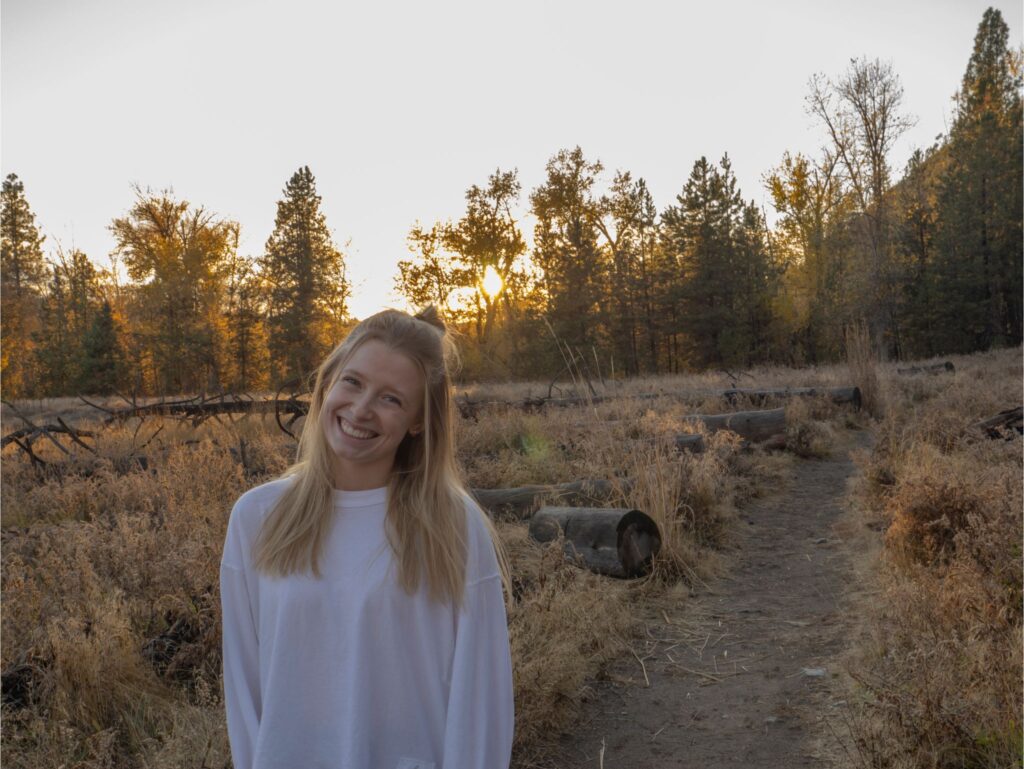
MAJOR: Secondary Education, History/Social Studies

BIO: I’m originally from Woodland, Washington, and am double-majoring in Secondary Education and History/Social Studies at Whitworth University. I serve as Vice President of the History Club. Upon completing my English endorsement and M.Ed. in Curriculum Development and Instruction, I look forward to starting my career as a middle school social studies and history teacher.

 
I am deeply committed to helping students reach their full academic and personal potential while empowering them to understand the world we live in. My ultimate goal is to reflect the love of Christ by ensuring every student feels seen, known, and deeply valued.

Project Overview: Gen Z is arguably the most politically outspoken generation in history. From social media activism to grassroots organizing, we aren’t afraid to use our voices to demand change. Yet, there’s a frustrating paradox at the heart of our democracy: despite being the most vocal, 18–24-year-olds consistently remain in the demographic with the lowest voter turnout. This project is driven by one central question: What do we actually need to do to increase young voter turnout?

 
I believe that education is at the root of many of the systemic problems we see in the world today. If we want to change the trajectory of our society, we have to look at where our civic identity is formed. For the vast majority of Americans, high school is the last time they will be part of a formal, universal educational environment. This makes the high school classroom our final and most critical opportunity to reach every future citizen. If we aren’t using that time to effectively teach the voting process and the importance of civic agency, we are leaving the health of our democracy to chance.
 
By analyzing data from the 2024 general election, I am exploring how the “voter gap” reflects the way we prepare, or under-prepare, students in those final years of schooling. My research involves a deep dive into state-level data to identify which regions are successfully mobilizing young people and which are falling behind. A major part of this work compares high school graduation requirements and student demographics, such as race, socioeconomic status, and whether students are heading to a four-year college, trade school, or the workforce. I want to see if our current system is inadvertently leaving certain groups out of the civic conversation before they even graduate.
 
As a future history and social studies teacher, I believe the solution isn’t just about changing policies; it’s about maximizing that final window of formal education. The core of my analysis focuses on state civics standards, comparing the actual curriculum being taught in high-turnout versus low-turnout states. Ultimately, this project culminates in a proposal for reformed state standards. My goal is to bridge the gap between being “outspoken” and being “active,” providing a roadmap to ensure the next generation is not just loud, but truly represented.