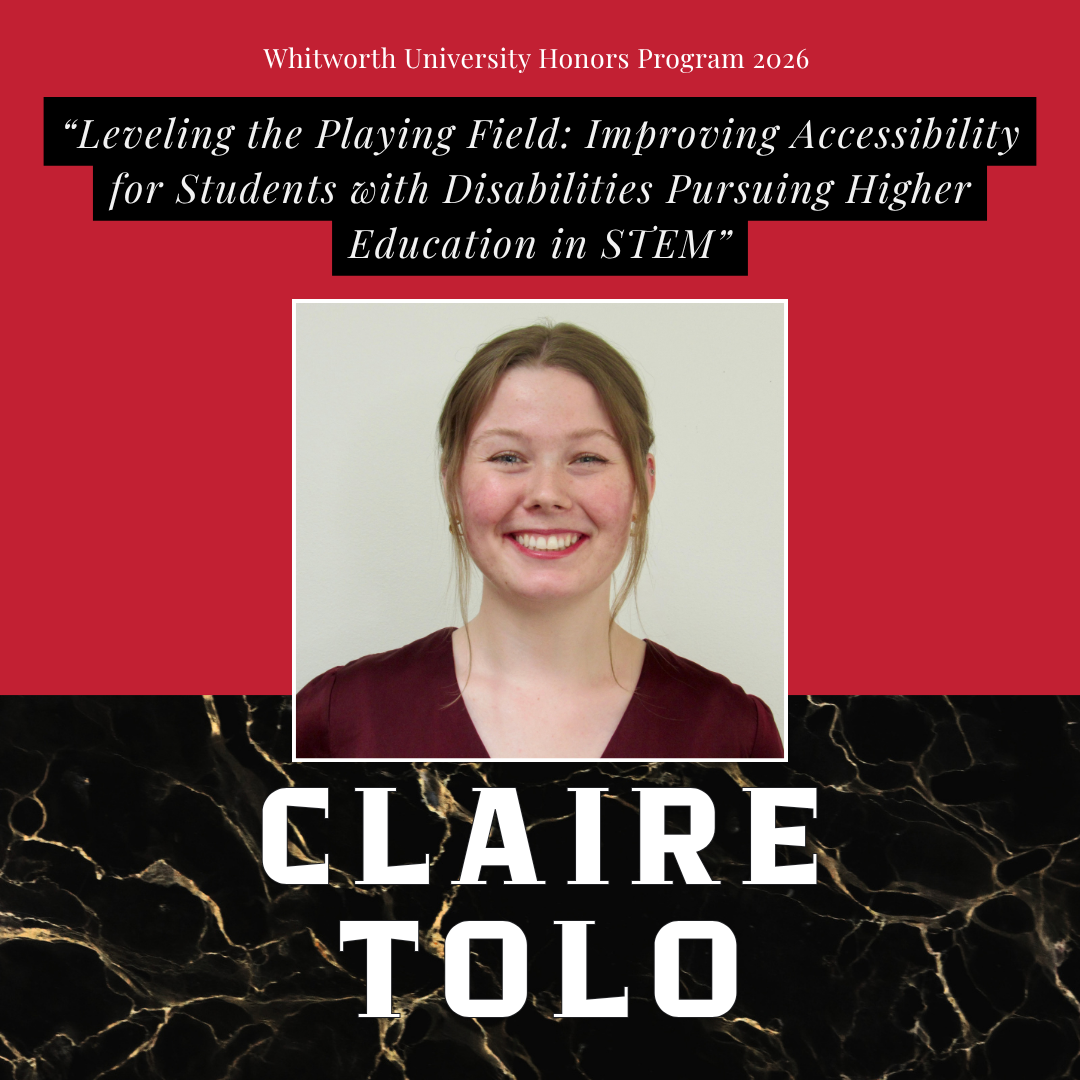
Students with disabilities (SWD) make up 17-19% of the student population in higher education institutions. However, research focused on them accounts for only 1% of papers published in education journals. Furthermore, disabled students are less likely to enroll in science, technology, mathematics and engineering (STEM) courses compared to their abled peers. Researchers have posited that this may be due to both physical barriers, such as inaccessible laboratories, and cultural ones, like negative experiences with peers and faculty. So what can universities do to improve the landscape of their STEM cohorts to make them more equitable and inclusive for students with disabilities? Existing research has suggested a variety of solutions, ranging from implementing Universal Design Learning (UDL) to purchasing specialized lab equipment. But there does not yet exist a compilation of the current recommendations for interventions and best practice for improving equity and accessibility in STEM departments. In this project, I will examine the specific challenges faced by SWD in the classroom and laboratory, interventions to improve challenges faced, and practical suggestions institutions can utilize to effectively implement the interventions in their STEM programs.