Restoring Language

Evie Hatcher
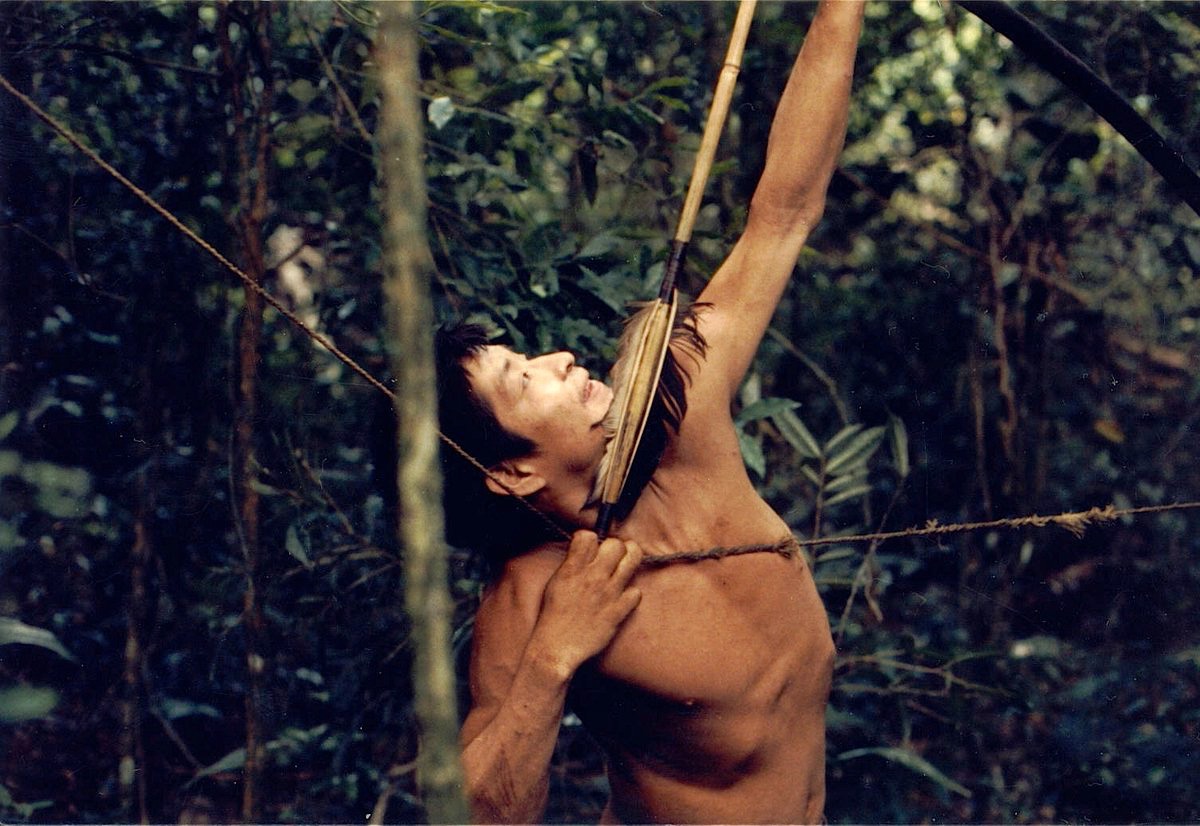
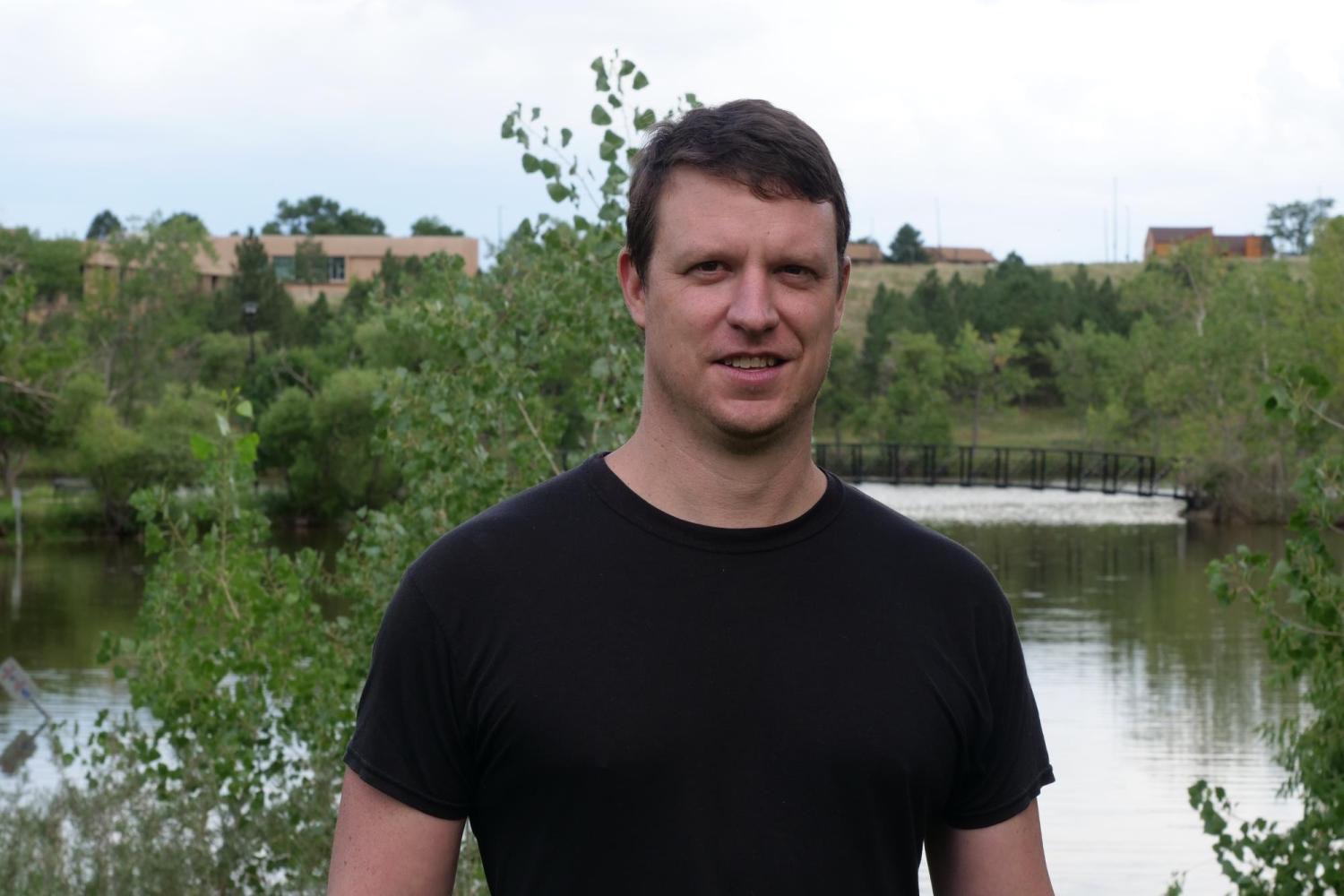
Warren Thompson, a cultural anthropologist and historian working for the University of Colorado Boulder, set aside some time for a lecture on language restoration and linguistic relativity for endangered languages, such as the Hawaiian language, for the Honors Jan Term trip to Hawai’i. Over the last couple of decades, Thompson has done in-depth fieldwork and revitalization efforts for the language of the Ache, a language considered endangered with fewer than 300 fluent speakers. For some perspective, there are approximately 7,000 written and oral languages, with over half of them being considered endangered. “Every two weeks, a language dies with the death of its last speakers,” Thompson stated clearly over the laggy Zoom call. The prospect of entire languages going extinct, however, introduces questions: What is lost when a language dies? How do we revive a dying language?
For what is lost, Thompson argues for the theory of linguistic relativity, often called the Sapir-Whorf Hypothesis after its founders Benjamin Whorf and Edward Sapir. The controversial hypothesis states that language influences the speaker’s cognition and perception of reality, directly influencing culture. There are three pieces of evidence for support: classification, grammar, and spatio-temporal reference. For classification, English has one word for blue, but Russian has two words (goluboy and siniy), which refer to light and dark blue, respectively. For grammar, the word “bridge” is gendered feminine in German yet masculine in Spanish. With the German word (die Brücke) evoking more feminine descriptors from speakers, such as “elegant” or “fragile,” and the Spanish word (el puente) evoking more masculine descriptors, such as “dangerous” or “strong,” the same word offers different thoughts and feelings amongst languages. For spatio-temporal reference, when English speakers are directing someone, we’ll often say something akin to “Take a left.” This is an egocentric reference, where spatial information regarding the environment is relative to a subject. While the Ache people hunt for monkeys, Thompson explained, they’ll say something more akin to “There’s a monkey where the sun sets.” This is an allocetric reference, where the spatial information using object-to-object relationships is independent of any subject. Why is the evidence for linguistic relativity important? Each piece shows how language is much more than transmitting thoughts and feelings we can’t express otherwise. Language affects the way we think about an object or word, or the way we perceive our environment. When we lose that language, we lose a way of thinking, a way of perceiving reality, which is why Thompson is all in on reviving endangered languages, especially of the Ache.
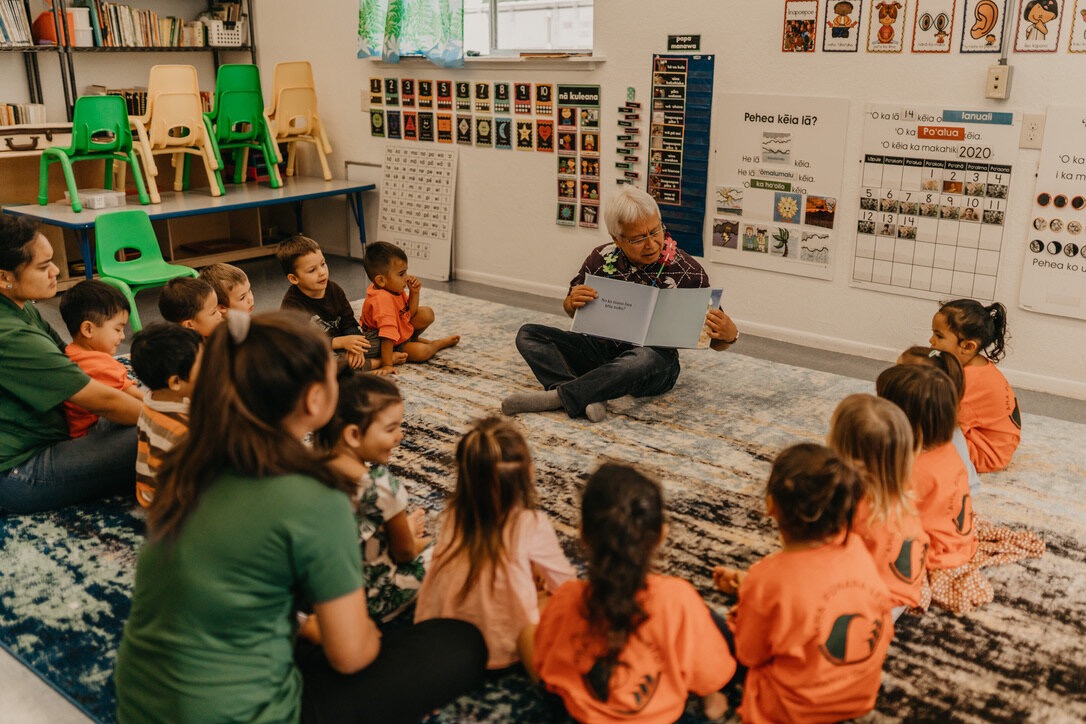
To look at revitalizing a language, we’ll look more at Hawaiian. The native Hawaiian is the best example of an endangered language that was intentionally suppressed, then intentionally revived. When the Hawaiian monarchy was overthrown in 1893 by groups of haoles, or foreigners, and businessmen, Hawaiian was prohibited in favor of English. Kids speaking Hawaiian in schools were heavily disciplined, and parents of those kids were reprimanded for not letting their kids become more advanced with English. As a result, Hawaiian quickly became replaced by English. However, Hawaiians began to fight for their culture by trying to revive their native language, focusing solely on kids. ‘Aha Punana Leo is a non-profit operating an immersive preschool program teaching young kids while only speaking Hawaiian to revitalize the language, similar to how other endangered languages were being revived in Aotearoa, better known as New Zealand. The program has been incredibly effective, so effective that children are more fluent in Hawaiian than freshly graduated college students who studied the language.
Debates still ring over how useful reviving an endangered language is. Some see the loss of languages as a natural part of life, just as extinction is, where change and loss are bound to happen. Some find the current revitalization process hopeless, especially in Hawai’i, where modern entertainment and life are heavily English, which can discourage kids from speaking Hawaiian to conform to English instead. When talking about restoring the dying language of the Ache people, Warren Thompson stated that the Ache talk about losing their language as a loss of life. To put it bluntly, it doesn’t matter how we see the language. What matters is how the speakers and suppressed groups see, feel, and think with their dying language. People deserve to speak their truth and their perception of life through their language. If you ever visit Hawai’i, like our Honors Jan Term group, learn and speak some Hawaiian words with the locals. We can help strengthen and restore the language bit by bit.