
Christian Witness in a Polarized Moment
Kaitlyn Hawker
Editor-in-Chief
On November 6th, immediately following the 2026 Midterm Election, Whitworth hosted Dr. Cornel West and Dr. Robert George in a discussion moderated by Dr. Davey Hendrickson, of the Political Science Department.
The talk was titled, “Christian Witness in a Polarized Moment,” and started with a brief introduction from President Scott McQuilken before Dr. Henrickson took the stage to both familiarize us with our speakers and the topic and set the stage for his own personal transformation on the subject.
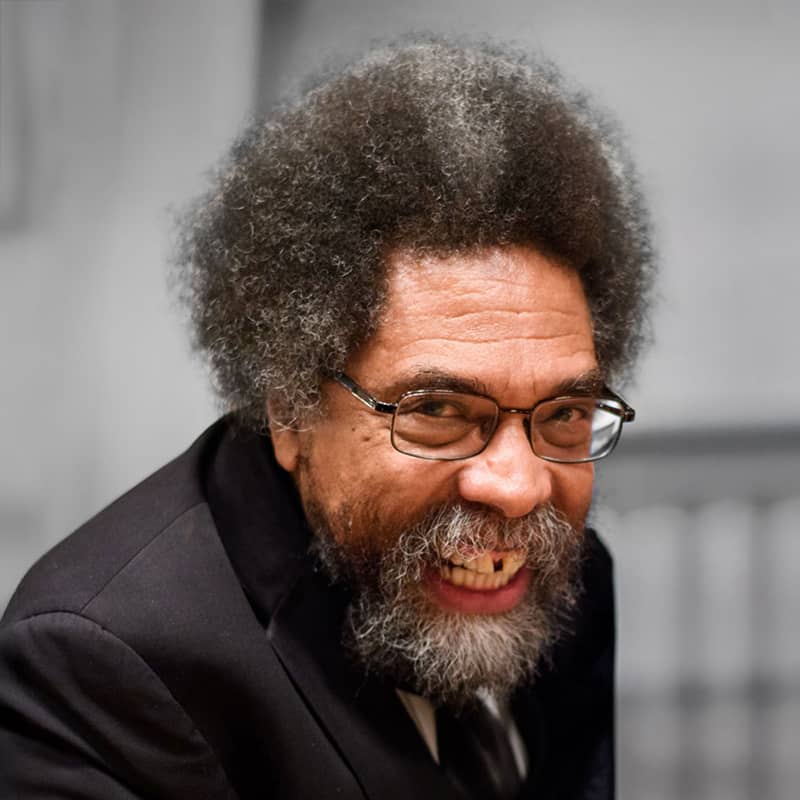
Dr. Cornel West is a philosopher, activist, theologian, and public intellectual. He has served at several universities throughout his career, namely Harvard, Princeton, and Union Theological Seminary. He labels himself as a ‘non-Marxist Socialist,’ and is highly critical of the White Christian Nationalistic nature of America, thus serving as the ‘left-wing’ representative.
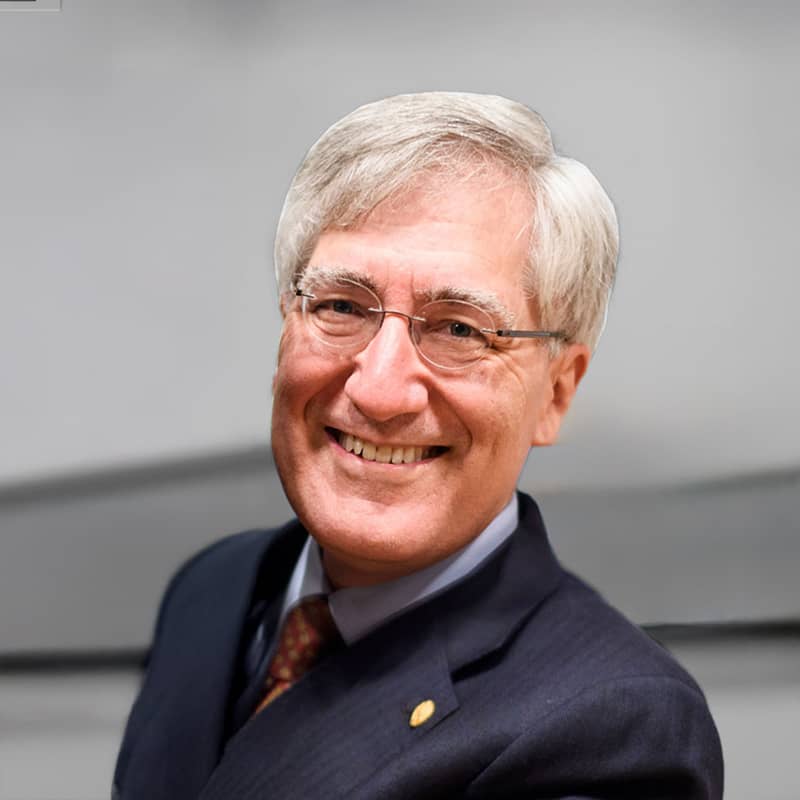
Dr. Robert George, often referred to as ‘Brother Robby’ by West, is an American legal scholar, professor, and academic with accolades across the board for his work in public, private, and government institutions, particularly at Princeton University, where he is tenured. He was the ‘right-wing’ representative, given his stances and efforts against marriage equality, abortion, and focus on Christian values.
The pair began the talk by thanking the Whitworth community for welcoming them so graciously and entreating some of the students to transfer to Princeton.
The first question, in the context of their longstanding and politically at-odds friendship, was “How do you sustain a friendship for decades? What is the stuff of your friendship?” Dr. West’s immediate answer was another question: “The brother’s so lovable. I mean, how can you not love him?”
It was this question that sustained twenty minutes of conversation as Dr. George and Dr. West outlined how they communicate, disagree, and entertain new ideas. It all came down to the deep respect both men had for each other and their commitment to each other.
Dr. West emphasized how integrity and dignity were integral to their friendship. Dr. George spoke on their shared academic interests and informed perspectives. They are “truth seekers” in their own words, which means being open to new information and wanting the learn the truth rather than convince others of their opinion.
Christianity
The conversation moved to their shared Christian faith, an aspect many Whitworth students were interested in hearing about, and its role in the reducing political polarization. West and George said that their faith also endeared them to each other, and that while they still disagree on interpretation in places, they both pursue a life committed to Jesus’ teachings.
Cornel West emphasized how the world is overwhelmed with human suffering, and the inherent institutionalized cruelty that is embedded in society. The U.S. is experiencing, “deep spiritual decay and decrepitude”. One of the easiest ways to combat this is to love others without asking for permission, regardless of color, religion, political beliefs, creed, sexuality, or gender.
“I’m a Jesus-loving, free Black man. I don’t ask for your permission as to who I love. I’m free! I’ve been commanded by a Palestinian Jew named Jesus to love, and I will.”
Truth Seeking
Yet there are a few difficulties in getting there. One of the first steps the pair proposed was to understand our prejudices and preconceptions. The only problem is we can never truly know where or what our internal biases are. We always believe ourselves to be right and are suspicious of those who hold opposite views. It is up to us to investigate our own biases and deconstruct them. Usually this looks like radical curiosity, being completely open to new ideas and looking for more information about them—becoming a ‘truth seeker.’
“We’ve got to inoculate against ideology and dogmatism… Unless we allow ourselves to be challenged by a serious intellectual sparring partner, we will persist forever in whatever those false beliefs are in our head.”
Dr. West referenced Samuel Beckett, an Irish novelist and playwright: “Try again, fail again, fail better. The best we ever do is fail better.” Which West takes to mean the ever-recursive cycles of violence against Black people in America. Slavery, lynching, mass incarceration, poverty, low wages. America is failing better, but we haven’t succeeded yet.
The men returned again and again to the idea of ‘talking to one another’ and becoming friends, not in spite of political differences, but because of them. They champion truth-seeking, open heartedness, and loving one another unconditionally.
“Civil discourse is not mere politeness. It’s not a matter of just being polite to each other. Now, if being polite to each other is the best we could do as an alternative to throwing things at each other or shooting things at each other, I’ll take it. But it’s not the best we can do… Civil discourse is when the interlocuters, the conversation partners, are listening to each other in a truth-seeking spirit.”
Dr. Robert George
The Fundamentals
However, there was one piece of information, buried in the middle of the talk by Dr. Robert George, that attended to the main issue with political polarization and friendships across the aisle.
“We mustn’t suppose that unless we share political beliefs and policy beliefs, that we can’t be friends. You can be friends despite a wide divergency of opinion on political policy questions, if you’re more deeply united on these fundamental questions—dignity and questions of basic meaning and value. We found that to sustain a friendship very easily.”
The question then becomes not “How can we become less politically polarized?” and instead, “How can we agree on the fundamentals again?” which I believe is a much more worthy topic of conversation.
In an hour and a half, the dynamic duo only made it through three questions, but I know none of the attendees were disappointed. The conversation was lively, inquisitive, and exciting. I certainly earned a few more wrinkles in my brain.