
Bridging the Gap: Strengthening Rehabilitation Care in Rural Southeast Alaska
Carlynn Casperson
BIO:
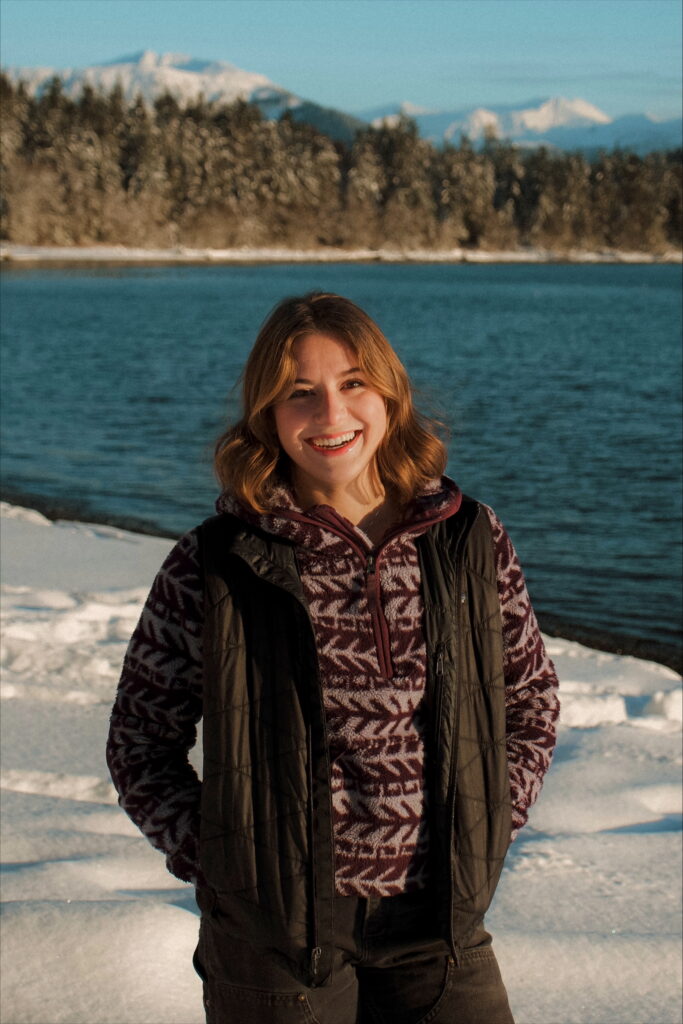
I was born and raised in what I consider the heart of Southeast Alaska—Juneau. My decision to pursue my education at Whitworth University was largely influenced by its small class sizes and close-knit community, an environment similar to the one I valued growing up.
During my time at Whitworth, I have been actively involved in campus life through intramural sports, including captaining two volleyball teams, as well as participating in outdoor recreation trips. These experiences allowed me to build meaningful relationships with peers who share my passion for physical health and overall well-being.
MAJOR: Health Sciences with Pre-Occupational Therapy focus
In my junior year, I was honored to receive the Health Sciences Department Scholarship, awarded based on academic achievement and involvement in health science–related activities. As part of this involvement, I presented at the Health Sciences Exposition during the 2024–2025 academic year, where students shared research in a professional setting.
My undergraduate experience at Whitworth has been both challenging and rewarding, pushing me to grow academically and personally while fostering a commitment to lifelong learning and curiosity. In the fall, I will begin Whitworth’s Doctor of Occupational Therapy program, continuing my path toward becoming an occupational therapist. I aspire to become a transformative leader in the field and contribute to improving the lives of individuals in need of rehabilitative care.
Project Overview: Growing up in Southeast Alaska has provided me with a unique perspective as I pursue a career in occupational therapy (OT). Juneau serves as a regional “hub city” for many surrounding rural communities, where individuals often must travel long distances to access essential healthcare services. As a lifelong member of the Juneau community, I have witnessed firsthand the limitations in both access to and quality of care for those living in more remote villages.
Observing patterns within the current healthcare system sparked the foundation of this project. While many rural communities possess strong local support networks, these systems are not substitutes for trained healthcare professionals and are limited in the level of care they can provide. As a student preparing to enter a field directly connected to rural healthcare delivery in Southeast Alaska, I felt compelled to deepen my understanding of these challenges. By doing so, I hope to return home as an entry-level OT better equipped to contribute meaningfully to ongoing efforts to improve care.
This project explores how rehabilitative healthcare services can be strengthened in rural communities. Specifically, it seeks to raise awareness of existing barriers while identifying effective strategies and opportunities for improvement. The ultimate goal of this research is to support the health, wellness, and longevity of individuals living in the rural communities of Southeast Alaska.
Throughout the Spring 2026 semester, I conducted a review of current literature analysis and interviewed healthcare professionals from Southeast Alaska. Conversations with practicing OTs Alli Donaldson and Victoria Daugherty, both of whom have experience in rural healthcare settings, provided valuable insight to key challenges. These include limitations of telehealth due to inconsistent patient access to the internet, restrictions in care delivery without hands-on assessment from providers, and the combined impact of geographic isolation, weather-dependent travel, and high transportation costs.
This project not only identifies critical barriers within the current system but also highlights key takeaways that can serve as a foundation for future improvements in rural rehabilitative care.
Powered By EmbedPress