Experiencing the Theatre in London

Gwen Brantner
Over the course of the 2026 Jan term trip to London I had the privilege of attending nine different stage productions, all very different, but all equally valuable to my experience studying abroad. It was an opportunity I had never had before to be able to go somewhere where dozens of shows of West End quality were all playing at the same time. I bought as many tickets as I reasonably could with my budget and aimed to get the maximum value out of each show I saw. Over the course of the trip, I gained a renewed appreciation for the performance arts and their value, not only to British culture, but society in general.
I have been a dancer and performer myself for over 16 years, so I have always understood the dedication that is required from performers and the importance of supporting performance arts. However, this trip allowed me to gain an even greater understanding of how writing and performance of theater shows is impactful to the culture, providing of course entertainment, but also making commentary, creating an emotional experience for the viewer, and keeping the art of storytelling alive.
Theater and literature were both prominent parts of the culture in London. Many places featured merchandise based on plays or novels or just authors themselves, especially Shakespeare. In every tube station there were always dozens of ads for musicals and shows to see that month, some I had never even heard of and some as famous as The Tempest. Nearly everywhere I looked there was some appreciation of literature and language arts. It was clear that England considers its roster of prominent writers a point of pride and one of the most prominent cultural aspects of the country today. Even in Westminster Abbey there was an entire section of memorials dedicated to authors, those buried there and not, right alongside the burial sites of kings and priests.
Theater as we know it now is a kind of expansion on literature and the ancient art of storytelling through oral and movement-based traditions, combining the art forms into one large appreciation of character, plot, theme, spectacle, and performance. While it was no surprise that these high-budget, professional shows were abundant with spectacle and performance, what struck me the most in a show was always the storytelling. What impacted me the most after each show was the emotion it left me with to contemplate. While entertainment value and enjoyment did play a part in my final ranking of the shows I saw, the shows that made me think and feel the most were still the shows which ranked the highest.
Ranked from my personal favorite to least favorite:
- Cabaret
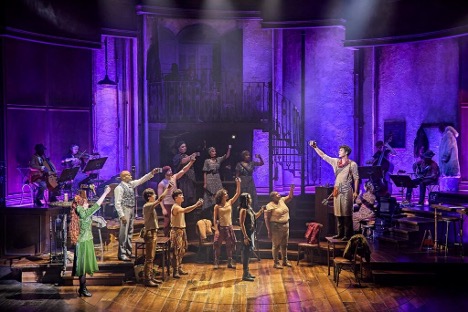
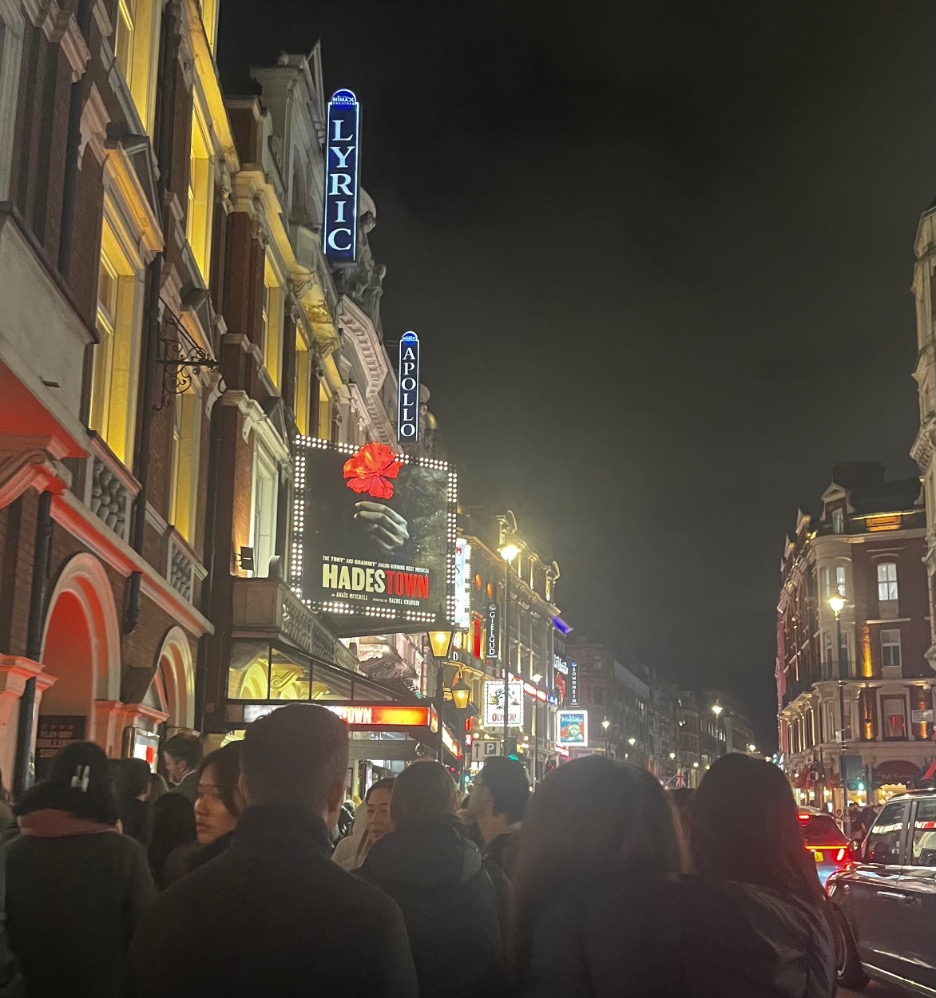
- Hadestown
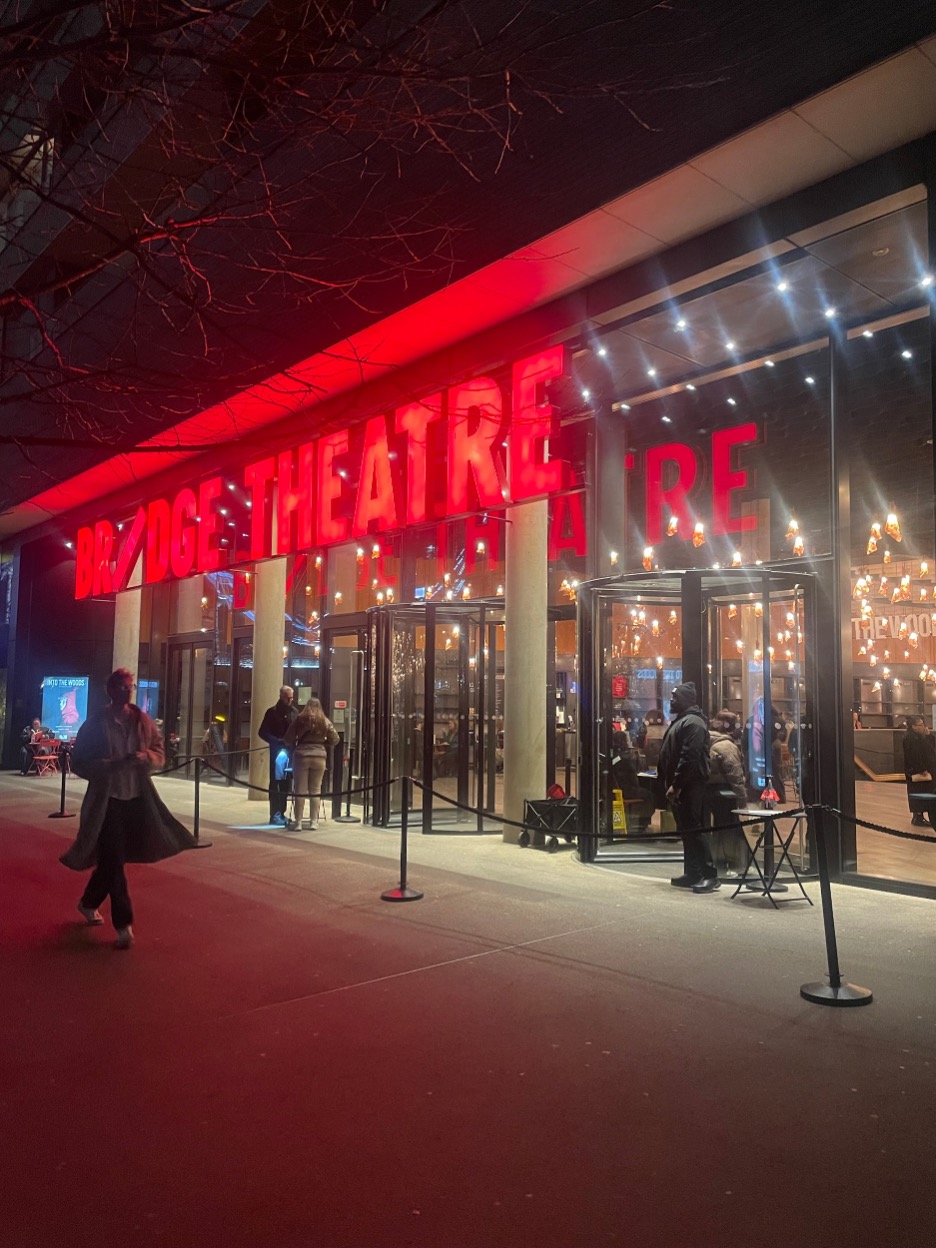
- Into the Woods
- Othello
- Oliver!
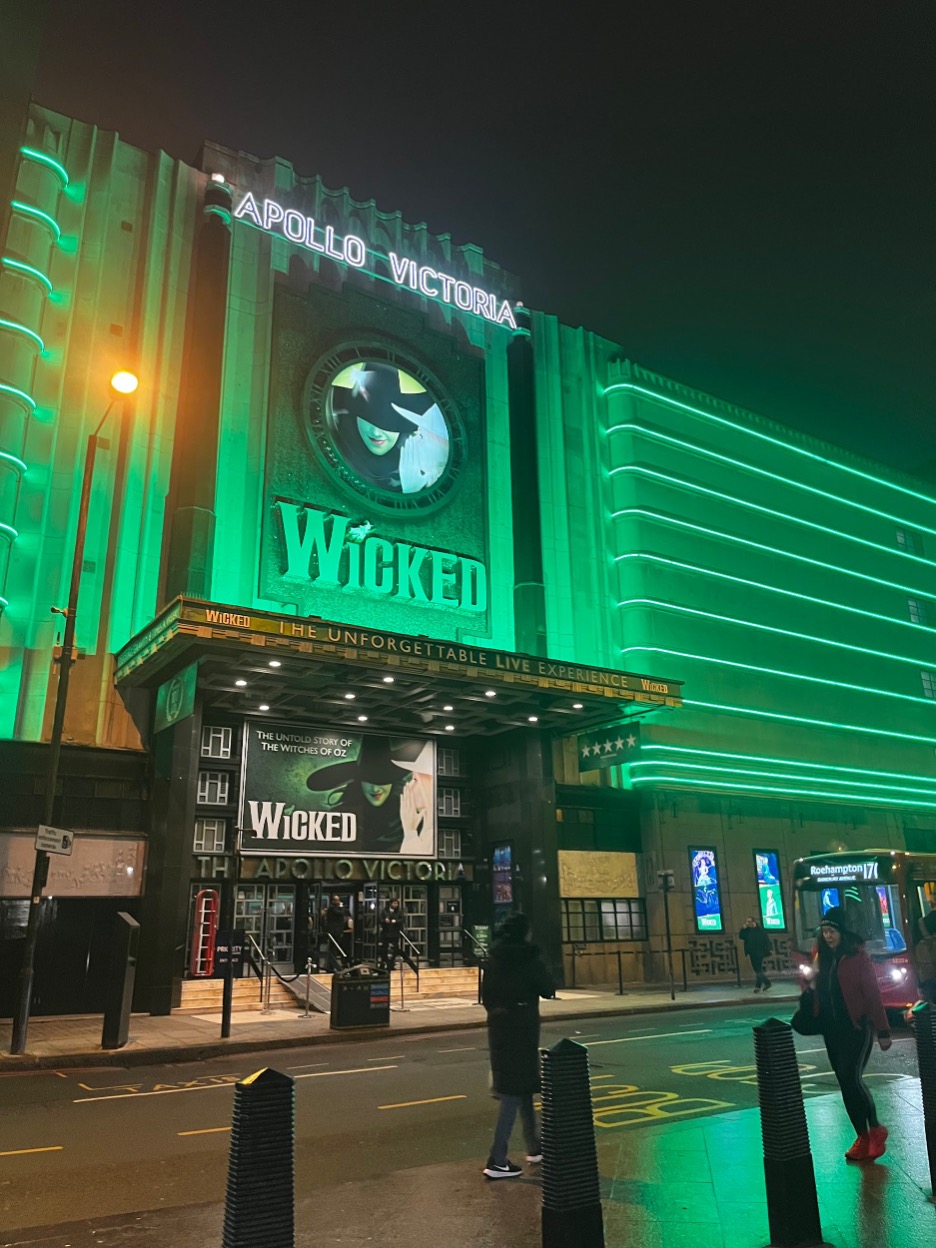
- Wicked
- Starlight Express
- Indian Ink
- Playboy of the Western World
If you have never seen Hadestown or Cabaret, you should. I was familiar with both shows before I saw them live and yet I was still left unprepared for how utterly amazing these performances were. Even knowing what happened, I was still struck with such strong emotional reactions to both shows. The immersion I felt in the performances was so intense I even forgot what I knew happened next. I have never experienced a show that has left me as awestruck as these two shows did. Both Hadestown and Cabaret have plot elements which focus heavily on social and political commentary, focusing on depression-era America and Nazi Germany, respectively. These heavy topics were hard to cope with at times, but they are always worth reflecting on. I was left so deep in thought after these shows, considering the implications that each story left me with, considering how the themes and warnings relate to the present day, and making sense of the final message each show aimed to portray. Why does the story matter? Why is it important to hear?
In Hadestown, there is a quote said by Hermes which left me considering the entire nature of stories and the purpose of watching live theater. He says, “To know how it ends and still begin to sing it again as if it might turn out this time.” At the end of the show, he asks why? Why do we sing this song again and again even when we know it ends badly? Why do we tell this story?
Why do we tell any story? I think this question sums up my main takeaway from the overall theatre experience. Each performance and story had its own lessons, its own characters and “so what?” But as I put all of these experiences together, I am left contemplating storytelling itself, having gained a new appreciation for the form that it takes on the stage. We tell stories because they offer hope, they offer laughter, they offer sadness. They tell of tragedy and victory. They reflect the human experience from thousands of years past and thousands of years to come. What an audience finds in a show is themselves, their experience, their fears, their joy, their society, the world. Anything can be in a story. You can get anything out of a story. I think this is why we continue telling them and always will.